KEYNOMEN AVIATIONStart Free →

Keynomen lets you own the language of aviation — making the words click.

Real understanding, with proof you earned it.

A confident student pilot smiling at a tablet — the words have clicked.
Keynomen Aviation Literacy ProgramAviation Literacy CertificateAwarded toJane AviatorFor achieving demonstrated competency inOperational Aviation Language FluencyLevel 6 of 12March 14, 2026Date IssuedDaniel BezdenFounder — Keynomen
Two students start flight training

Joe and Charlie

Joe

Joe at his desk, hand to his head, struggling over an open textbookJoe rubbing his eyes, worn down by the materialJoe staring off blankly, not absorbing what's in front of him

“It got too hard. I got bored. My mind went blank. I kept re-reading the same paragraph and nothing stuck. I lost interest. I figured I just wasn’t cut out for it.”

Charlie

Charlie at his desk, alert and thinking it through with book and tabletCharlie leaning in, writing notes, fully engaged with the materialCharlie looking up at the camera, confident and in control

“It started to click. I felt in control. I’d read something once and it stayed. I leaned in. I knew I was built for this.”

What did Charlie do that Joe didn’t?

The dub test

Before we answer that, let’s run a quick test.

Grab a pen and a sheet of paper.

01

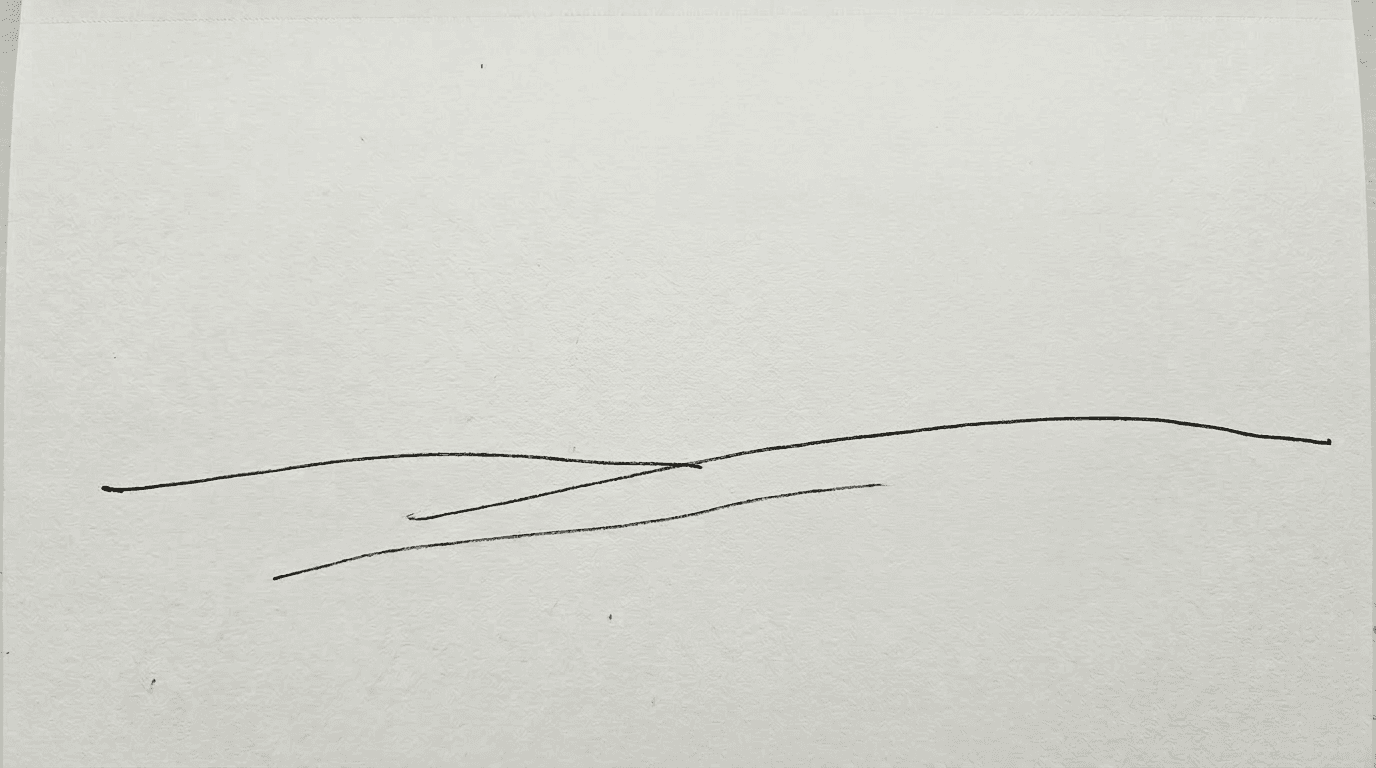
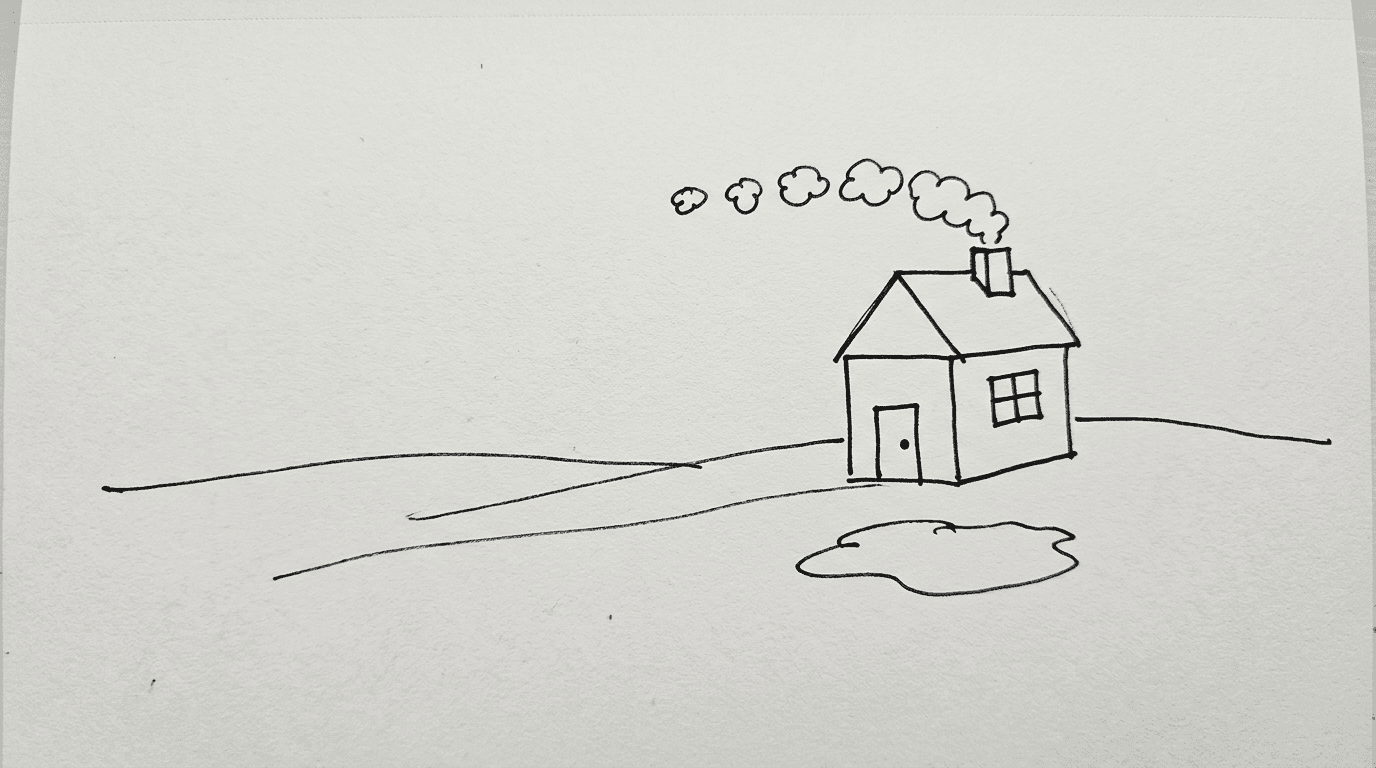
Draw a field — just some long, curving lines.

Marker sketch: two long curving lines forming a field
02

On the field, draw a simple house with a door and a window.
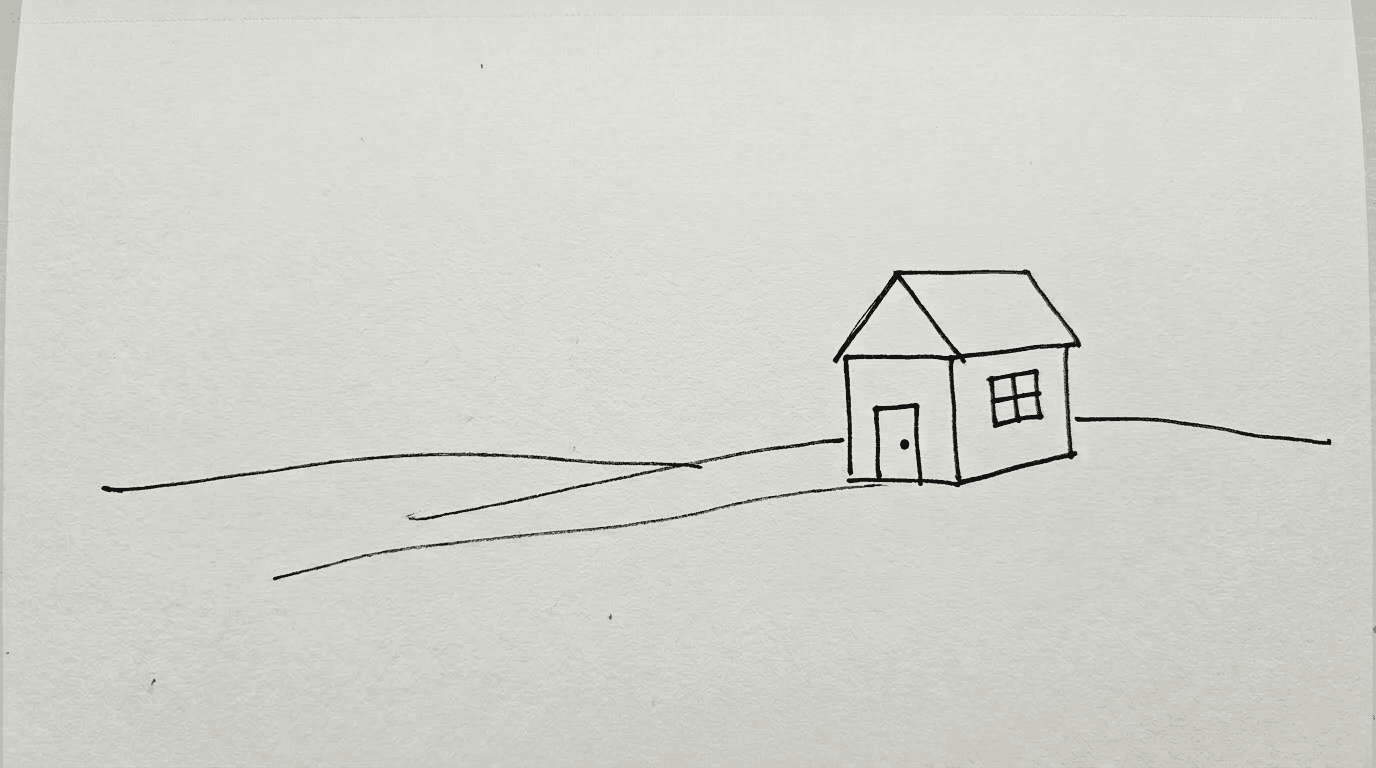
Marker sketch: a simple house with a door and a window on the field
03

Give it a chimney, with smoke coming out.
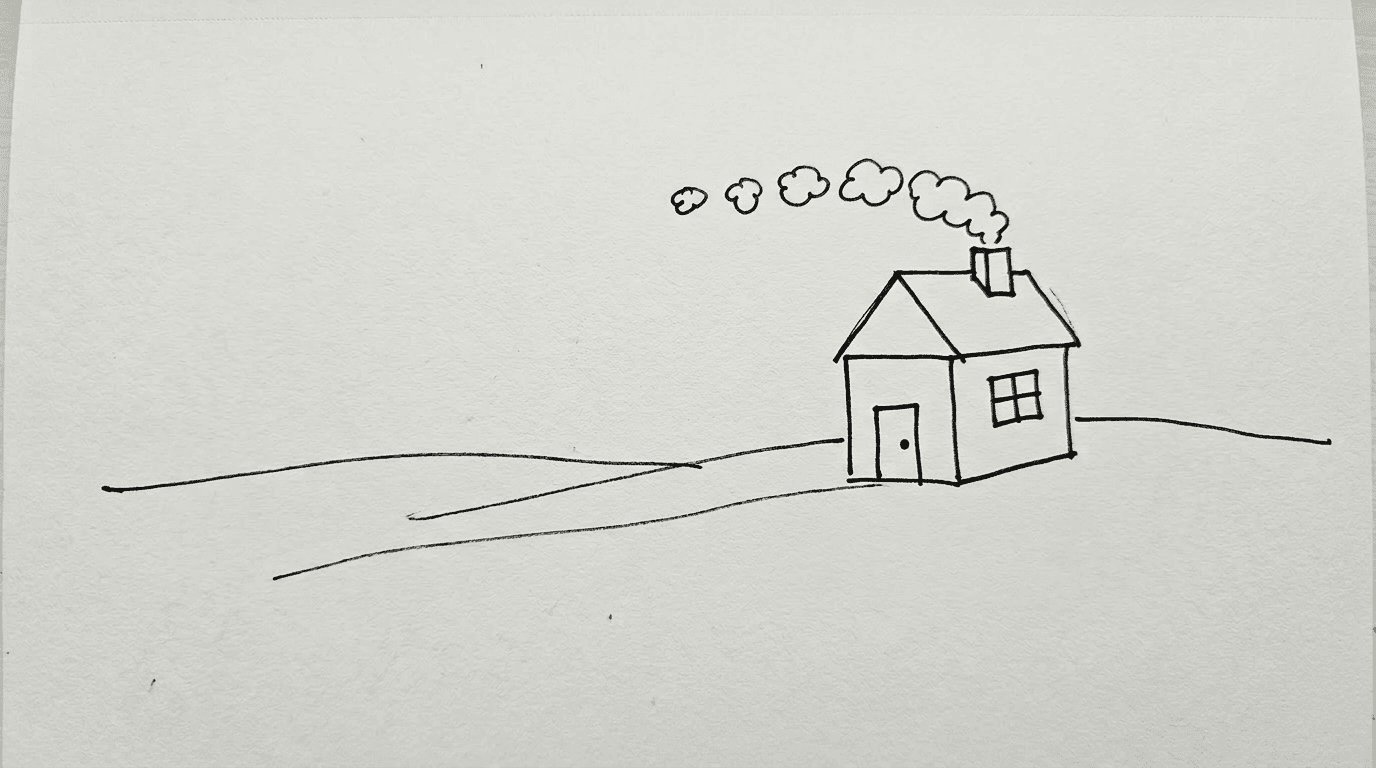
Marker sketch: the house now has a chimney with smoke
04

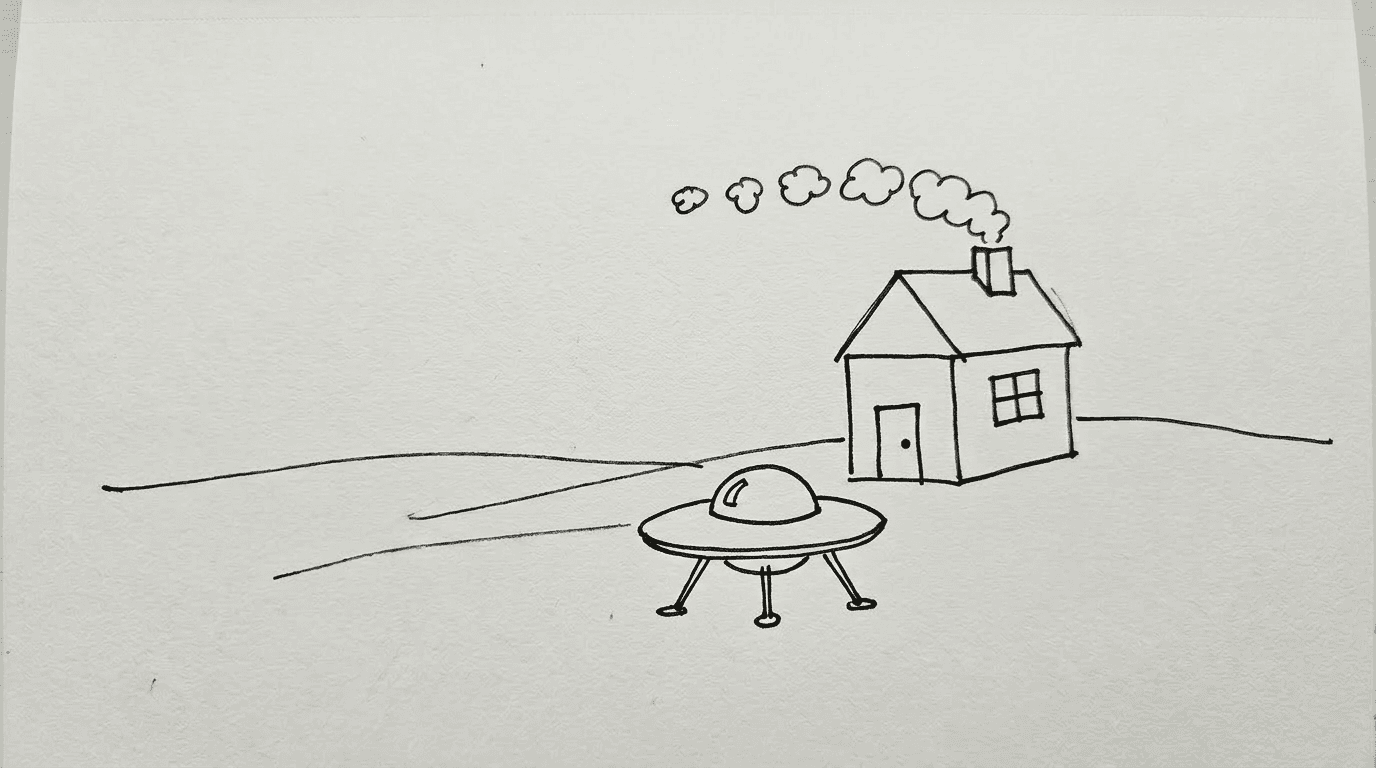
Now put a dub in front of the house.

Charlie frowning at the camera — what's a dub?Charlie still puzzled, pen in hand, unsure what to draw

Stuck? Of course you are.

So let’s do what they used to teach you back in school ...

“Figure out the meaning within the context of what you’re reading.”

Yeah, right. You may as well say: Just go ahead and invent a meaning.
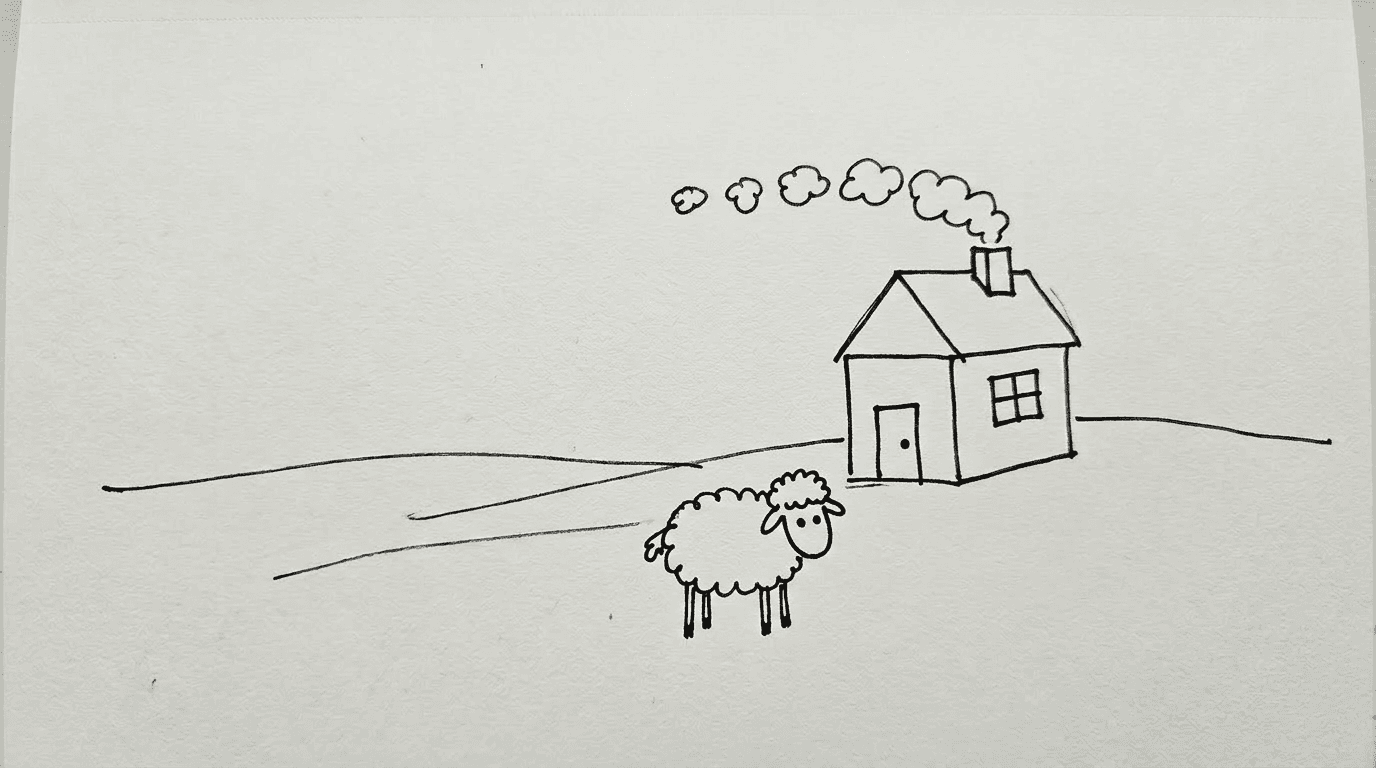
One reader's guess: a sheep in front of the houseAnother guess: a flying saucer in front of the house

Results vary, don’t they?

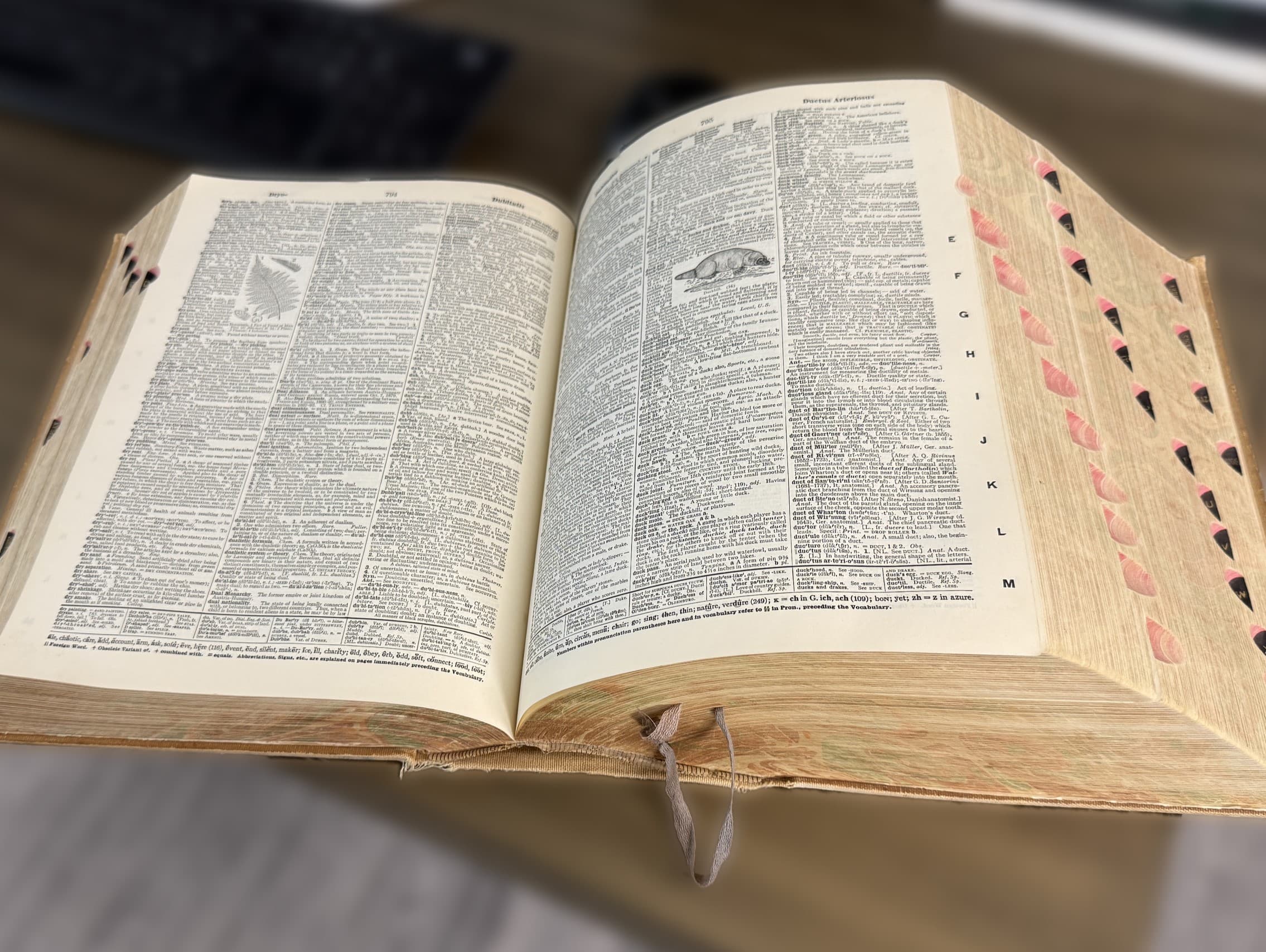
Now let’s do the one thing that actually works — look it up in a good source.

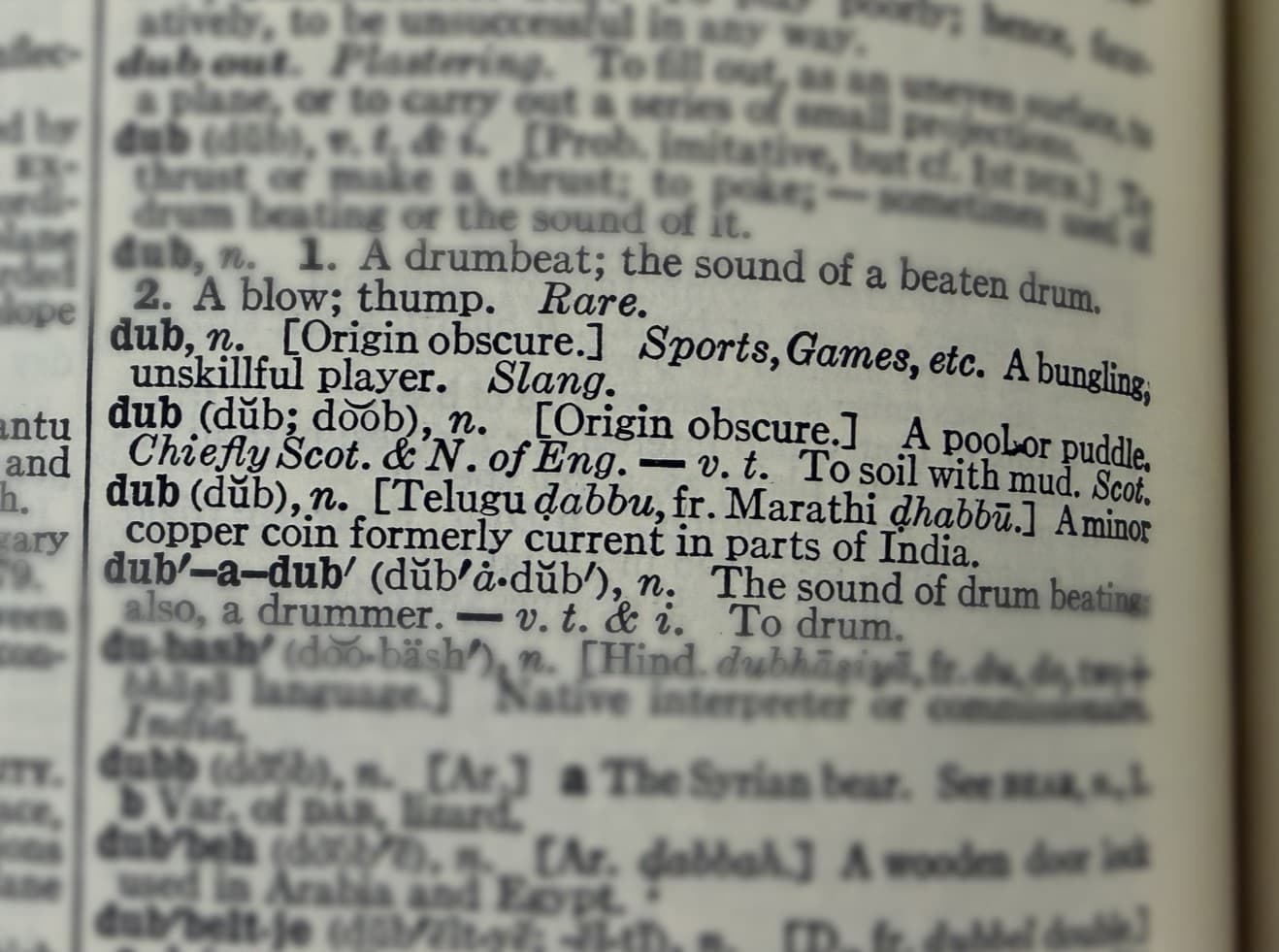
A large old dictionary lying open on a deskClose-up of the dictionary entry for 'dub' — a pool or puddle
Dub: a pool or puddle.
Marker sketch: the house with a small pool of water in front — what everyone now draws

One word — understood — and you can do what stumped you seconds ago.

That’s how you get smarter: one word at a time, until the whole language is yours.

So let’s be honest: “Figure it out as you go along” is no way to learn to fly.

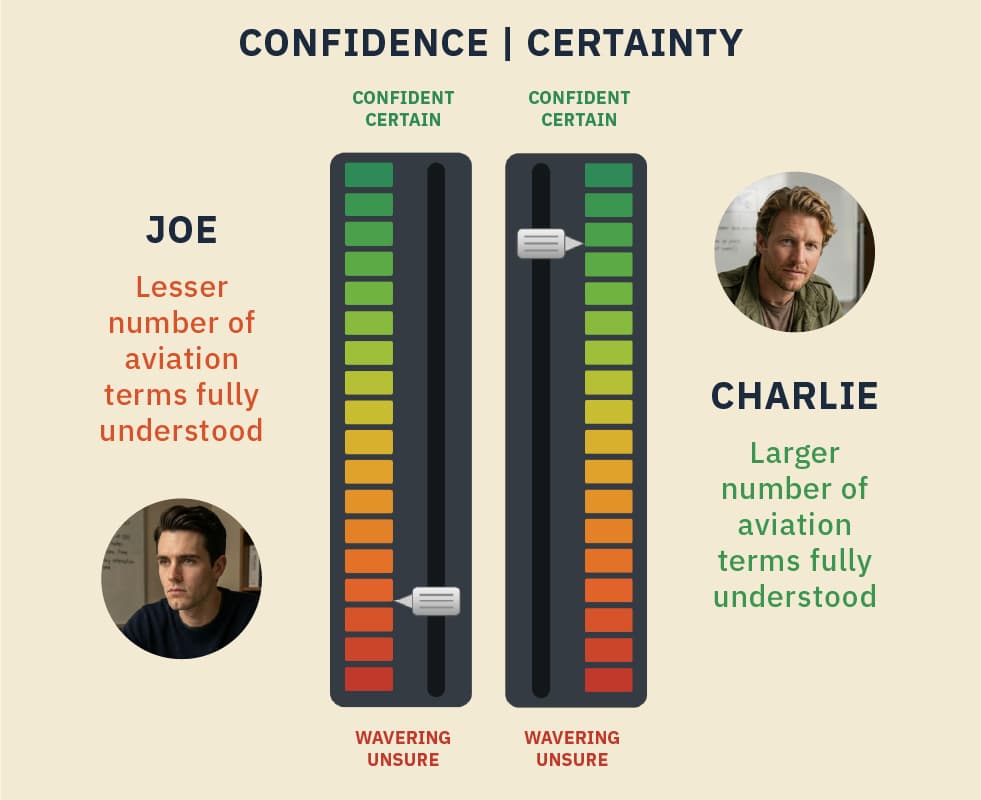
Confidence and certainty meter: Joe's slider low in the red, Charlie's slider high in the green
A solid grasp of the words builds certainty and confidence — each word you fully clear up moves your slider up.
What is a language?

Everyone says: “You have to learn the language of aviation.”

A language is made of words — and each one has a meaning.

From a passing aircraft, a pilot looks down at a man on a beach beside SOS spelled in stones — 'That man needs help'

Those three letters on the sand: S-O-S, on their own, are just shapes. But because a meaning — HELP — rides on them, those shapes can save a life. Take the meaning away, and you’re left with nothing but marks.

So here’s what really happened back there with “dub”: That blank you hit wasn’t you being slow. That’s a word doing nothing — because there’s no real meaning behind it for you. When that meaning is missing, wrong, or falls short, the word is nothing but marks on a page, and your mind stalls right there. You can read every letter. Say it out loud. Even spell it. And still draw a complete blank — because there’s nothing underneath it to grab onto.

Now imagine having a dub moment — on short final.

The four forces

Every flight comes down to four forces.

Lift, weight, thrust, drag — locked in a constant tug-of-war.

Charlie knows exactly what each one means. To him, lift is a real thing — the force that holds the airplane up — and he can feel it building and bleeding away as he flies the approach.
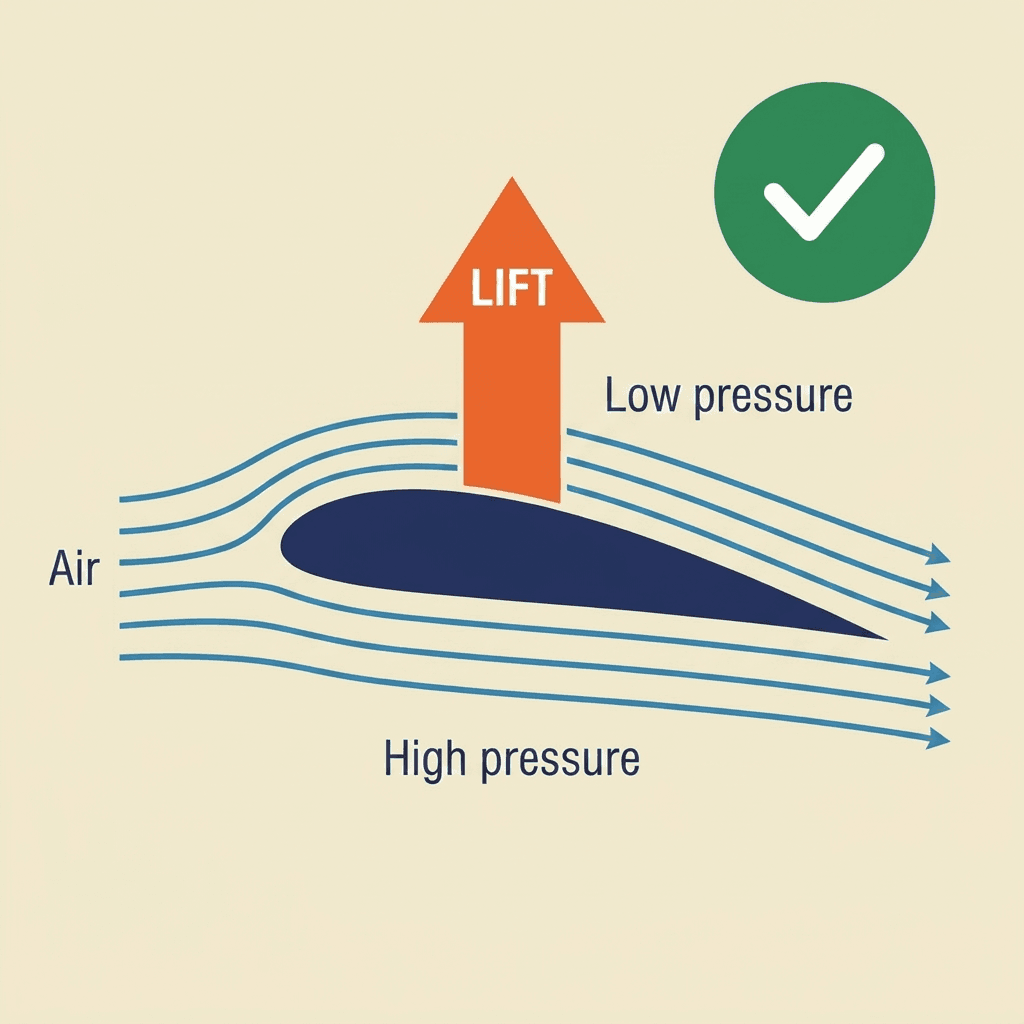
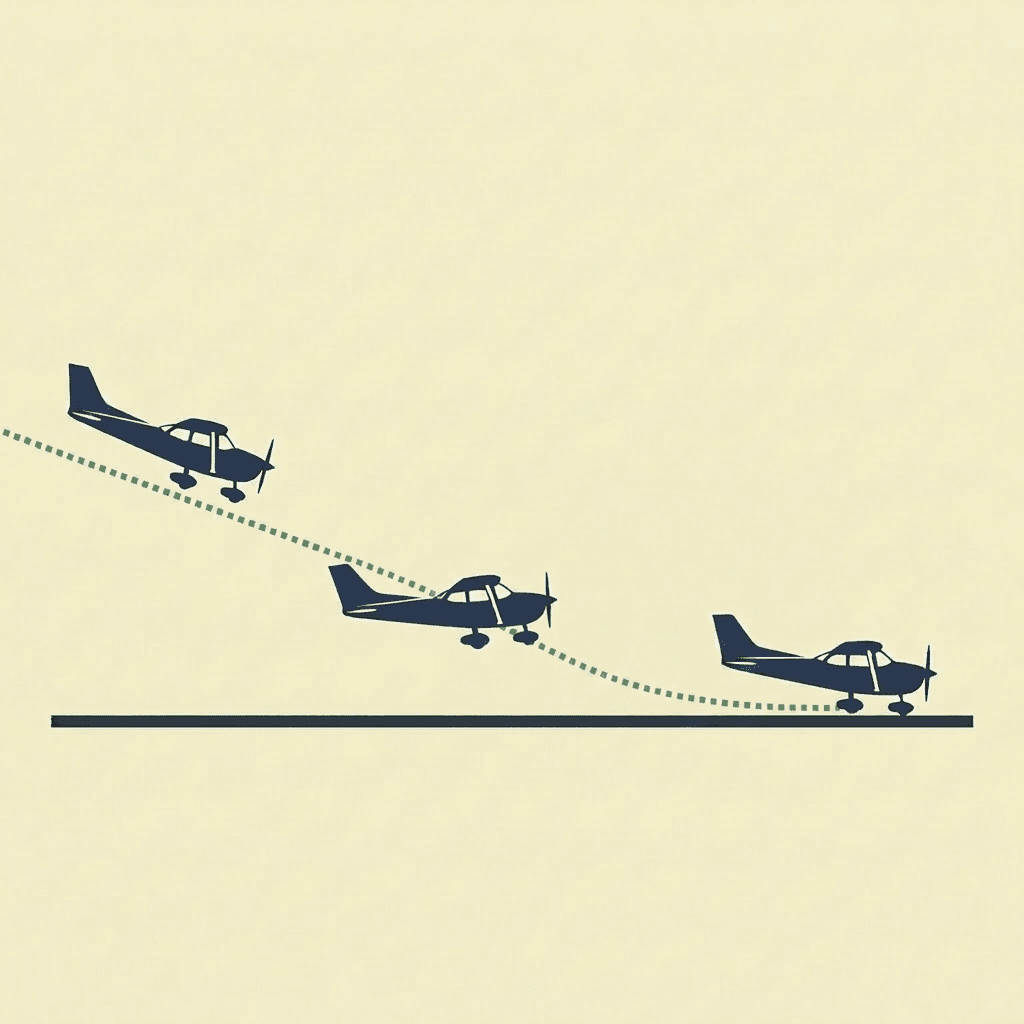
Airfoil diagram with lift correctly understood — green checkA smooth landing trace — the aircraft settles onto the runwayCharlie, confident and in control

Charlie greases the landing.

Joe is fuzzy on this. Somewhere along the way, Joe got lift tangled up with elevator (as in a building). He once heard a British fellow call it that — so in the back of his mind, “lift” is the little box that carries you straight up between floors.
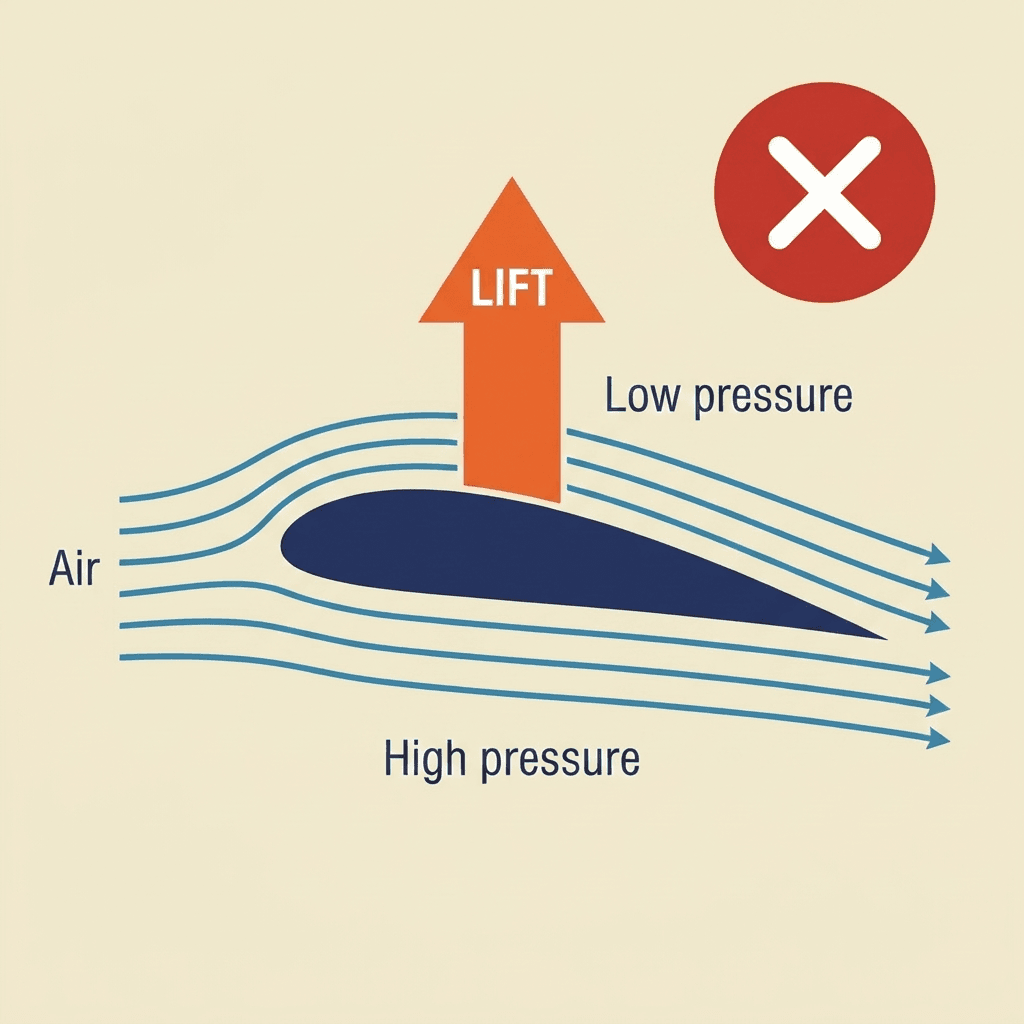
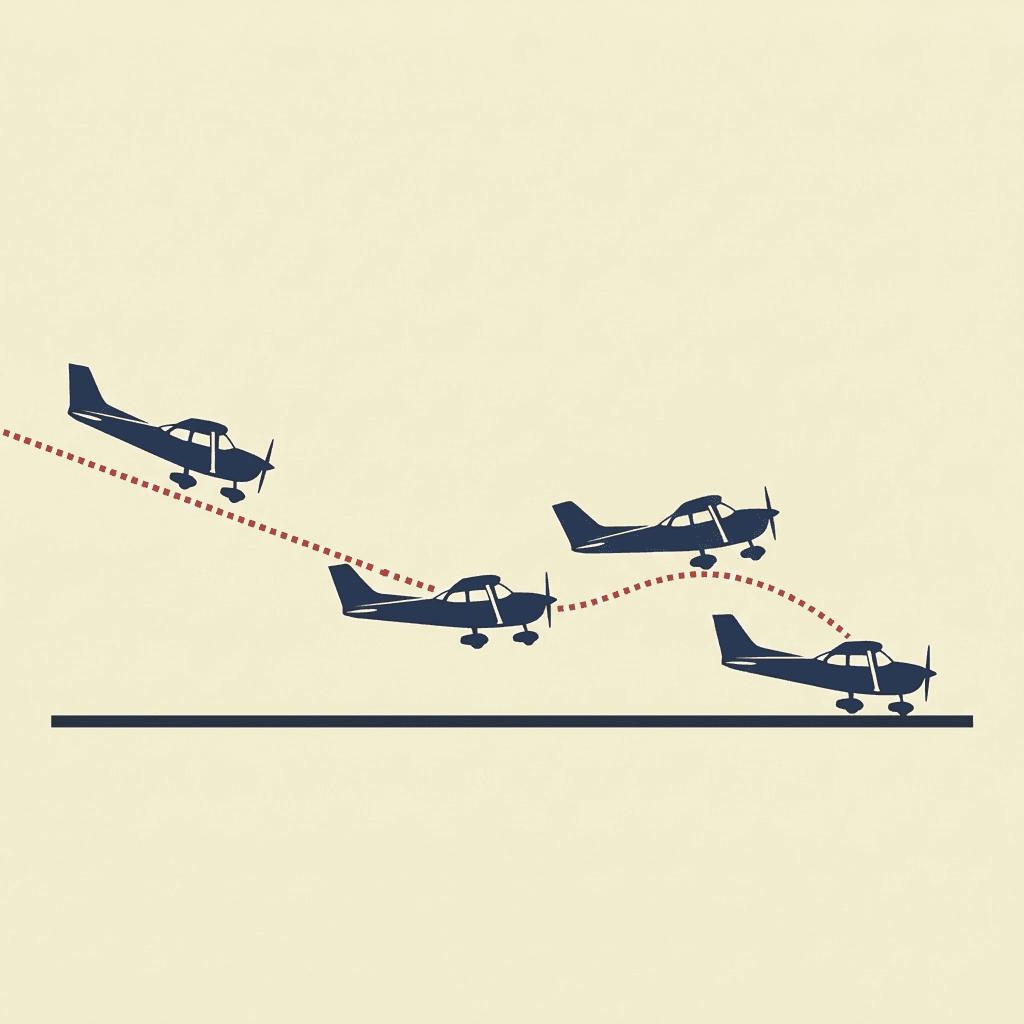
The same airfoil diagram, lift misunderstood — red XA bounced landing trace — the aircraft balloons back into the airJoe, blank and disengaged

Joe balloons it.

Joe — Trying to figure it out as he goes

Joe, blank, with a book open in front of him

“It got too hard. I got bored.”

Charlie — Getting out ahead of it.

Charlie, sharp and engaged, with a book open in front of him

“It started to click. I felt in control.”

Same two students.

One is shaky on the meanings of the words; the other understands them clearly.

The same meter, applied: Joe's confidence in applying the words sits low; Charlie's sits high
Looking it up isn’t enough

Just look up the words, right?

Not quite. Here’s the trap almost everyone falls into.

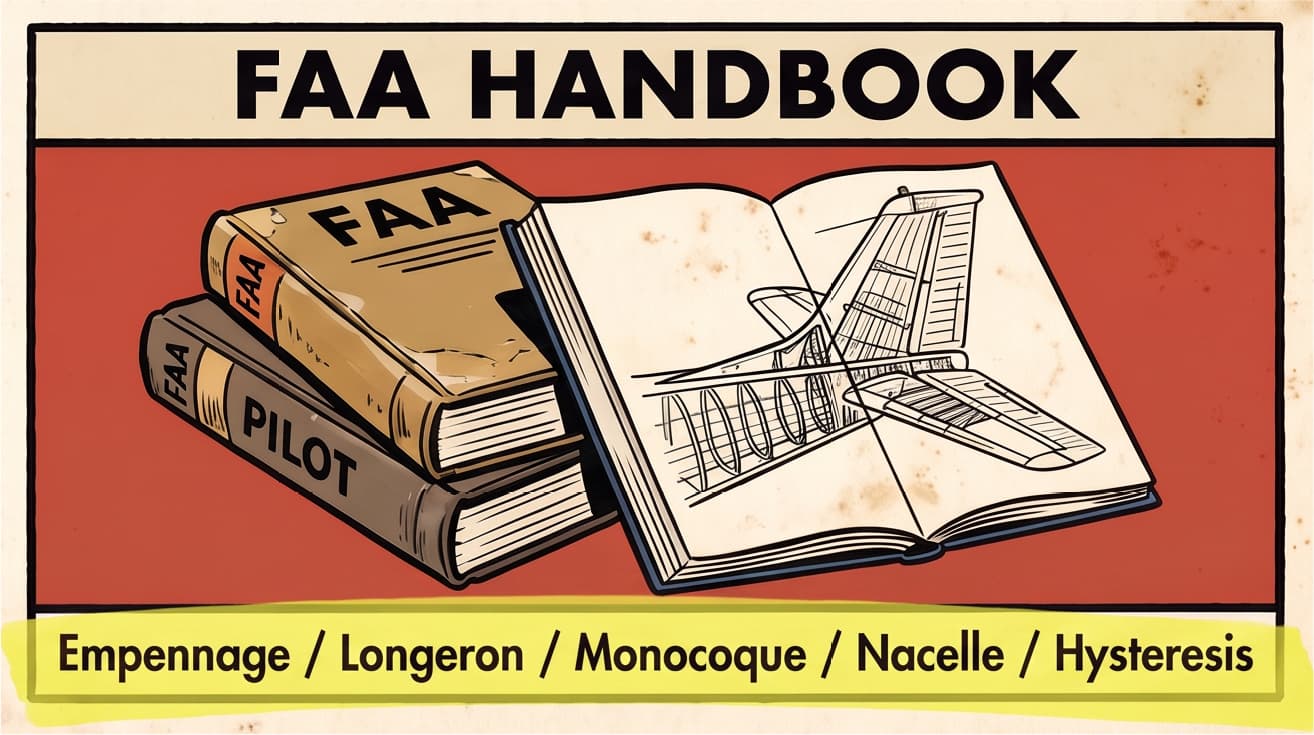
Take a real one: empennage. You hit it in your handbook, you don’t know it, so you do the right thing and look it up:
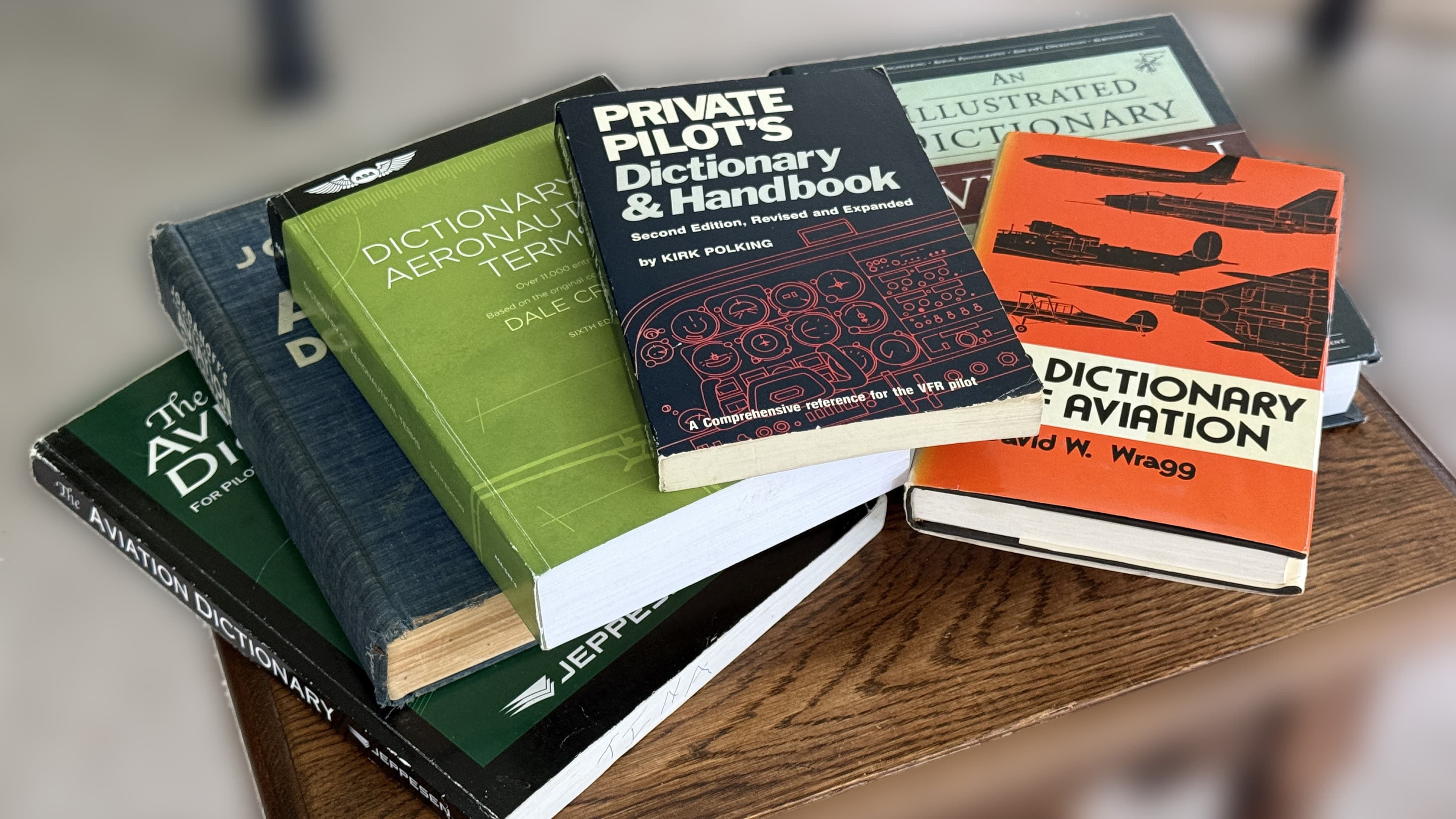
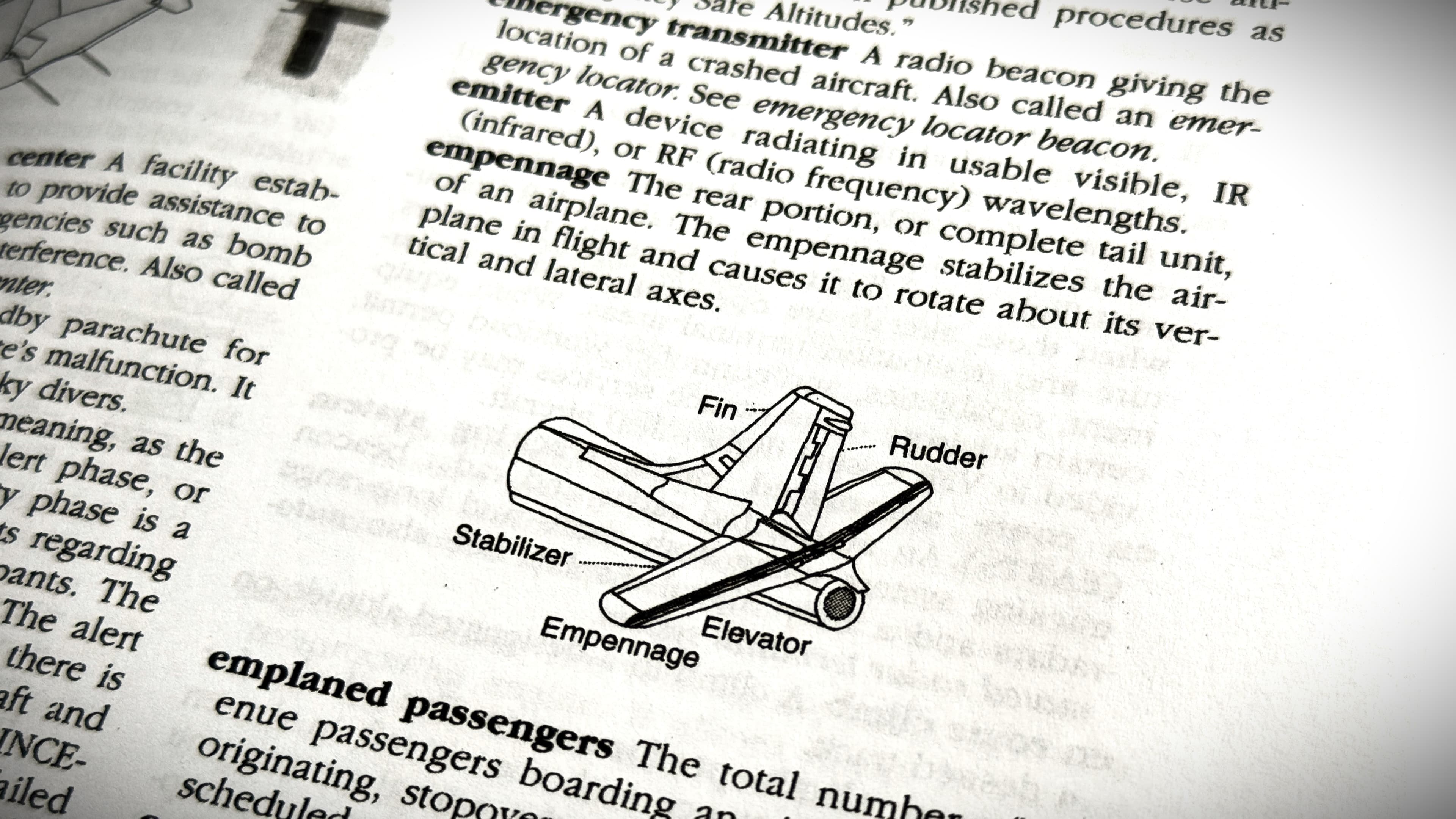
A stack of well-worn aviation dictionariesA printed dictionary entry for 'empennage' with a small diagram of an aircraft tail

Empennage: the tail section of an airplane, consisting of the horizontal stabilizer, vertical stabilizer, elevator, and rudder.

Technically correct. And yet…

Charlie, unconvinced — is this even worth it?

You’ve got a “definition” — but you don’t feel any brighter for having it.

Here’s what was missing: Where the word actually comes from.

Empennage comes from the French empenner — “to feather an arrow.” From the Latin penna, feather. It’s the fletching — the feathers on the back of an arrow that keep it flying straight and stable.

A craftsman fitting feathers — fletching — to the back of an arrow

And just like that, it clicks. You’ll never look at a tail section the same way again — because you now have the complete meaning of the word, not the partial one.

Charlie with the Keynomen iPad, bright and smiling — it clicked

Was that hard? No.

What’s hard is carrying a word that only half makes sense around in your head for the rest of your training.

Death by a thousand cuts

Why so many quit.

Ask why so many student pilots quit — and you’ll hear a hundred answers.

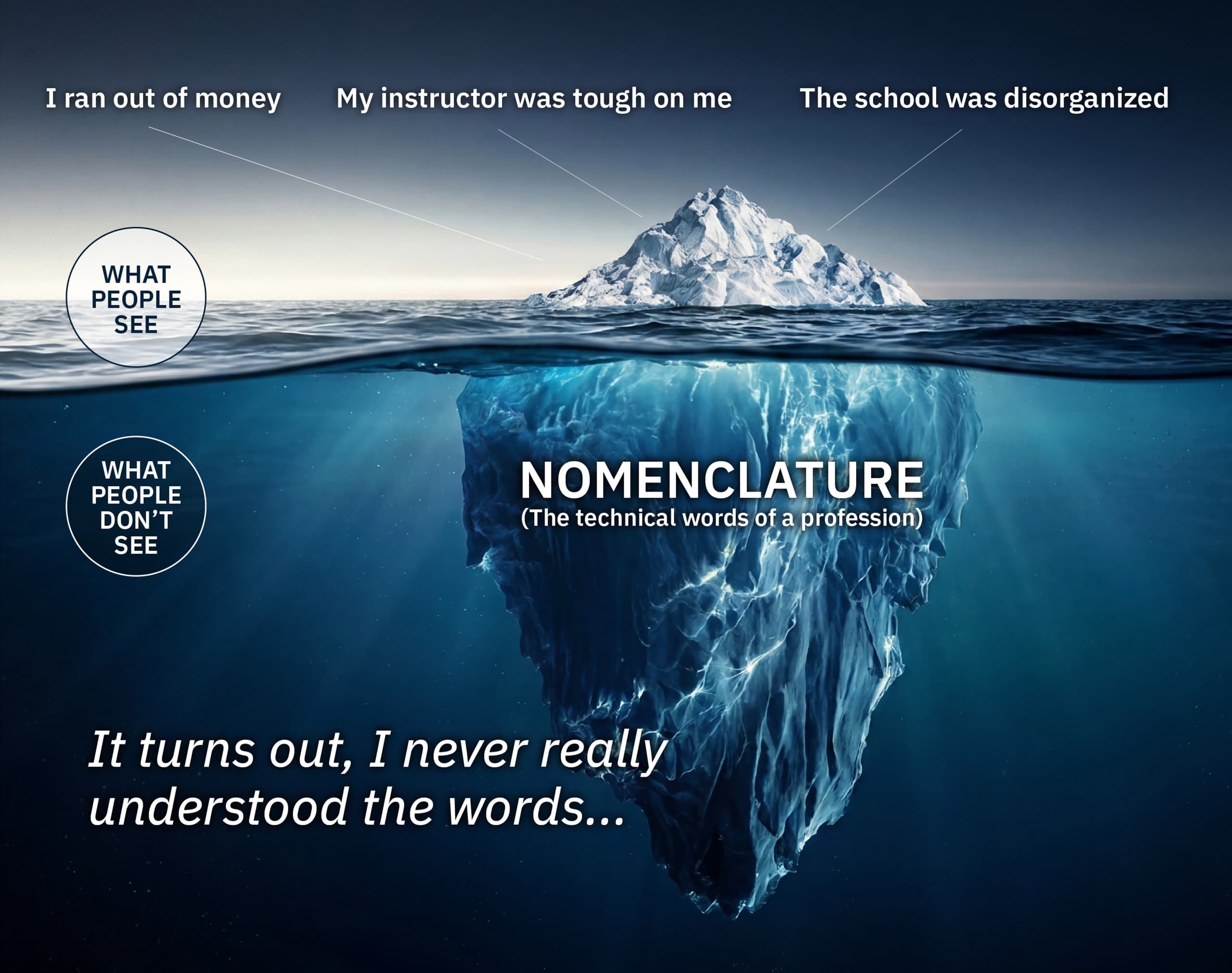
They ran out of money. They got a bad instructor. They burned out. They lost confidence. The spark just died. “I guess I wasn’t cut out for it.”

It all sounds true — but those are the symptoms.

There is a root cause.

An iceberg: above the waterline, the reasons people give for quitting; below, the hidden mass labeled NOMENCLATURE — the technical words of a profession

Every word that slips past you half-understood leaves a tiny dull spot. A flicker of “I’m not quite sure” you don’t even register. They accumulate. A hundred of them, a thousand of them, and you’re foggy, tense, a step behind — with no idea why. A slow erosion you can’t trace to its source.

It doesn’t have to be this way.

Keynomen solves all this

Here’s the fix.

Terms in Keynomen provides you the full conceptual understanding.

The live Keynomen entry for empennage at keynomen.com, with the fletching image and Log as Cleared action
Live at keynomen.com/aviation/term/empennage
empennage
Definition
The tail section of an airplane, consisting of the horizontal stabilizer, vertical stabilizer, elevator, and rudder. It provides stability and directional control in flight.
Plain English
The whole tail assembly of the airplane: the fin sticking up, the small wing-like surfaces out the back, and the moving control surfaces attached to them.
Context Anchor
You'll see this term in aircraft-structure descriptions, preflight inspection discussions, and explanations of the tail flight controls.
Derivation
From the French penne, “feather” (Latin penna), and empenner, “to feather an arrow” — fitting feathers to the back of an arrow so it flies straight and stable.
Why Pilots Care
The empennage supplies directional and pitch stability; damage or failure reduces control authority and can lead to loss of control.
Intuition Check
Don't think of the empennage as just the decorative back end of the airplane. It's a working control-and-stability section of the aircraft.
Example 1
During preflight, the pilot walked to the empennage and checked the elevator and rudder for free movement.
Example 2
Ice accumulation on the empennage can reduce elevator effectiveness and create pitch-control problems.

One word, fully handled. No half-landing. No dull spot left behind.

Staying on track

When one term’s definition leans on another word you don’t know, link to it and clear it up immediately. Then get back on track easily.

Word chain: empennage leads to pitch stability, longitudinal axis, center of gravity, weight-and-balance — each one clearable in turn

“But that sounds like a lot of work.”

It’s the opposite. Not understanding the language is the hard part. Here’s all it takes:

  1. 1

    Pick the handbook chapter you're about to study.

  2. 2

    Work through its word list on Keynomen.com

  3. 3

    Tap Log as Cleared as each one lands.

  4. 4

    Now read the chapter — and watch it read easy, because the words are finally yours.

Two paths

Which path is yours?

Joe — another name in the 80%.
Joe walking away from the flight school at dusk, dejected — washed out
Charlie — living the dream.
Charlie in uniform as a first officer, standing in front of a regional jet at sunrise
The Joe path
“I'll figure it out as I go.”
Never quite certain of anything.
A low hum of anxiety that never lets up.
Frustrated, discouraged, the spark fading.
Still no solo at 30+ hours.
Death by a thousand cuts.
Drops out. Thousands of dollars gone.
Just another name in the 80%.
The Charlie path
Walks in already understanding the words.
Arrives at every lesson prepared and sure.
Calm and in control, lesson after lesson.
Confident, building momentum, enjoying it.
First solo at 12 hours.
Each chapter cleared before it's flown.
Completes as planned — on budget.
Lives the dream.
Start free

Don’t wait to see what happens.

The fog never announces itself. By the time “this isn’t really working for me” shows up, the dull spots have already stacked up. The time to handle the words is before they cost you — before the next chapter, the next lesson, the next hour of instruction.

So start now, while it’s easy.

Create a free account. No credit card, nothing to cancel. You get the full Keynomen treatment on your first 100 terms — every section, every word chain, every certificate you earn. And when you move up to Pro, it all comes with you: your cleared words, your points, your certificates carry straight over.

You’ll feel the difference inside the first chapter. The language stops fighting you, and flying starts making sense.

Start Free

No card. No catch. Just your first 100 words — fully handled.

One year later

And Joe?

Joe didn’t wash out.

Joe and Charlie, a year later, standing side by side in pilot uniforms on a sunlit airport ramp.
Joe and Charlie — both living the dream.

He went back to the words that kept slipping past him — one at a time. The fog lifted. The chapters got lighter. The flying followed.

Today, Joe and Charlie wear the same uniform.

Turns out Joe had what it takes all along. He was just missing the words.